
The Scent of Cardamom in the Great Lakes: How Melvindale Became a Cultural Beacon
رائحة الهيل في ولاية البحيرات العظمى: كيف أصبحت ميلفينديل منارة ثقافية
Discover how the Arab community transformed Melvindale, Michigan, from an industrial hub into a vibrant cultural destination filled with authentic flavors and rich traditions.
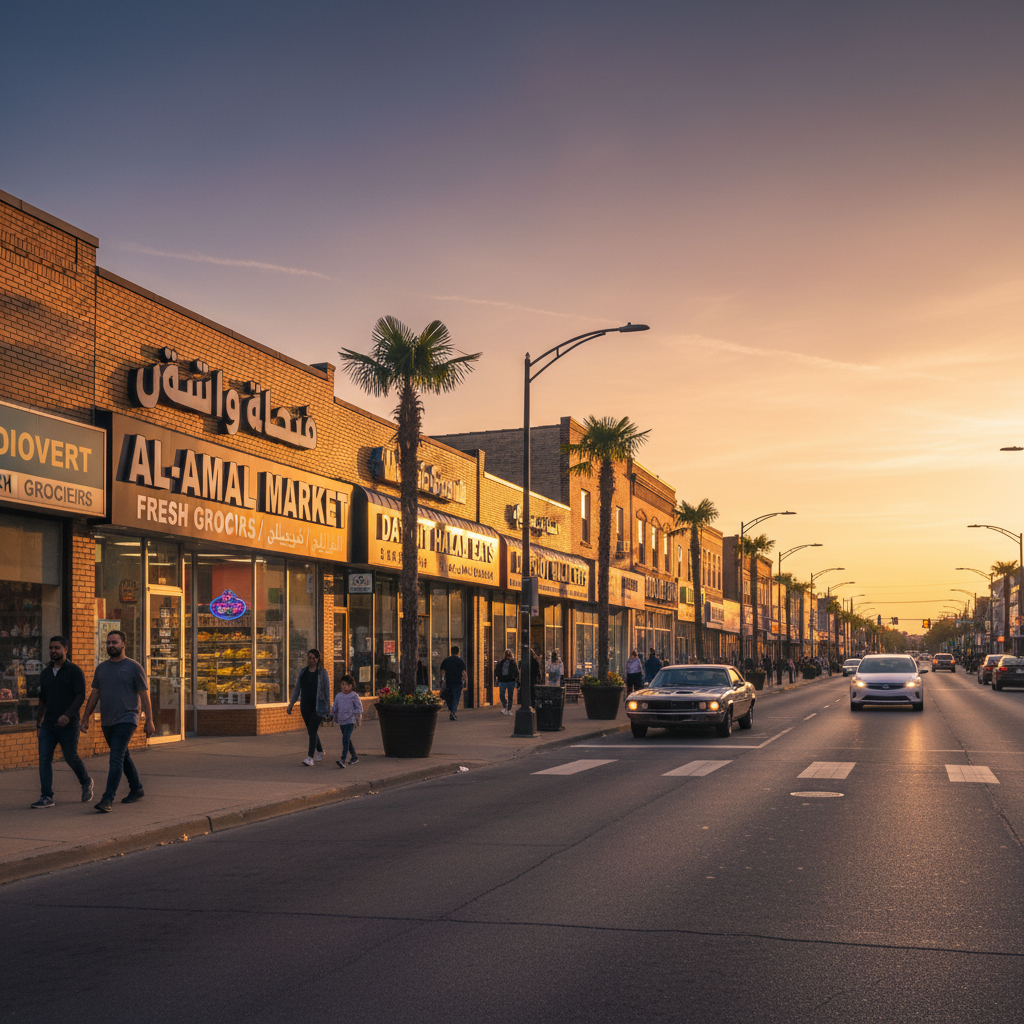
It starts with the scent of freshly baked Mana’eesh wafting through the crisp Michigan morning air, a smell that feels more like Beirut or Sana’a than the industrial heartland of the Midwest. For decades, the rhythmic thrum of the auto industry defined this corner of the state, but today, it is the rhythmic chopping of parsley for Tabbouleh and the hiss of steam from a Yemeni coffee pot that tells the story of the city. Melvindale, nestled against the borders of Detroit and Dearborn, has undergone a quiet but profound transformation, evolving into a sanctuary where the heritage of the Levant and the Arabian Peninsula thrives alongside American steel.

The Industrial Roots and the New Guard
Walking down Dix Highway, you can still see the silhouettes of the factories that once drew thousands of workers to this region. However, the landscape has shifted from gray industrialism to a kaleidoscope of Arabic calligraphy and vibrant storefronts. The Arab community didn't just move into Melvindale; they breathed new life into its aging infrastructure. What were once empty lots are now bustling centers of commerce, and quiet residential streets are now home to multi-generational families who have brought with them a deep sense of hospitality and communal pride.
This isn't just a neighborhood; it’s a living bridge between two worlds. You see it in the way neighbors greet each other in a mix of English and Arabic, and in the way the local parks fill up during Eid celebrations. The transformation is visible in every corner, proving that culture is the most effective tool for urban renewal. The city has moved beyond its identity as a mere suburb to become a destination in its own right.
A Culinary Journey Through the Neighborhood
If you want to understand the heart of this community, you have to eat your way through it. The food here isn't just sustenance; it’s a map of history and geography. From the smoky aroma of Shish Tawook grilling over natural wood charcoal to the delicate layers of honey-soaked Baklava, the culinary scene is a masterclass in authenticity. You won't find watered-down versions of traditional dishes here; instead, you’ll find recipes that have been guarded and passed down through centuries.

The Traditional Lebanese Grill: Located near the city center, this family-run spot is famous for its creamy garlic sauce and hand-carved Shawarma. It’s the kind of place where the owner remembers your name and the bread is always served warm from the oven.
The Yemeni Coffee House: A social hub where the air is thick with the scent of ginger and cardamom. This is where the local youth and elders gather to discuss everything from politics to poetry over pots of Mofawar coffee.
The Levantine Bakery: A morning staple where you can watch bakers stretch dough for Za'atar and cheese pies. It’s the busiest spot in town at 7:00 AM, serving as the community’s unofficial breakfast room.
The Social Fabric of the Community
Beyond the storefronts, the true impact of the Arab community is felt in the social institutions that have taken root. The local schools and community centers have adapted to reflect the demographics of their residents, offering programs that celebrate both American civic life and Arab heritage. This dual identity is the city's greatest strength, fostering a generation of young people who are as comfortable in a Michigan football stadium as they are in a traditional Majlis.

Language and Literacy: Look for the community centers offering Arabic language classes for children and English as a second language for new arrivals.
Religious Landmarks: The stunning architecture of local mosques serves as both a spiritual home and a landmark for the entire city.
Youth Engagement: Sports leagues and youth groups often bridge the gap between different ethnic backgrounds within the city.
Navigating the Local Markets
The grocery stores in Melvindale are a sensory experience unlike any other in the state. Rows of imported olive oils, bins of bright red sumac, and stacks of fresh pita bread create an atmosphere that feels like a traditional souq. These markets are the lifeblood of the community, providing the ingredients necessary for the elaborate home-cooked meals that define Arab family life. Even for those outside the community, these shops offer a window into a different way of life.

The Future of Melvindale
As the city continues to grow, the influence of the Arab community is only deepening. New entrepreneurs are opening tech startups and creative agencies, proving that the community’s contribution goes far beyond the culinary arts. There is a palpable sense of momentum here—a feeling that Melvindale is no longer just a place people pass through on their way to Detroit, but a place where they choose to stay and build a future.

To truly experience the magic of this transformation, you need to step out of your car and walk the streets. Listen to the music, smell the spices, and talk to the people who have made this city their own. Whether you're here for a quick meal or a deep dive into the culture, Melvindale offers a perspective on the American dream that is as rich and complex as a cup of well-brewed coffee. Don't just read about it—visit the local markets, try a new dish, and witness the revitalization of Michigan firsthand.
What is the best time of year to visit Melvindale?
Is Melvindale a family-friendly destination?
What are the must-try dishes in the area?
Is it easy to find parking near the main business districts?
Do I need to speak Arabic to navigate the city?
Liked this story?
Popular this week
The Cardamom Breeze: How the Arab Community Reimagined Tampa
Tampa4 minOrlando’s Arab Heart: A Guide to the City’s Thriving Middle Eastern Community
4 minEditor test — block-native post
1 minNavigating the Legal Landscape: A Guide to Orlando's Multilingual Advocacy
Orlando4 minStrategic Scaling: How Growtham LLC Navigates Orlando's Business Landscape
Orlando4 min
0 comments
No comments yet — be the first.